Why did Adi Shankaracharya once pause a legendary philosophical debate to learn from a woman scholar of Mithila ? Most people recognize Mithila (मिथिला) as the birthplace of Goddess Sita or the home of Madhubani paintings. Beneath those familiar headlines lies one of South Asia's oldest continuous civilizations, stretching from the Himalayan foothills of Nepal to the northern banks of the Ganga in Bihar. Known historically as Videha , Tirhut , and Tirabhukti , Mithila is a rare land where ancient philosophy, constitutional literature, GI-tagged superfoods, and living folk art thrive side by side. TL;DR: Mithila Kya Hai? (Quick Summary) Mithila (Mithilanchal) is a historic geographical and cultural region spanning northern Bihar (India) and the eastern Terai of Nepal (Janakpur). Bounded by the Himalayas, Ganga, Gandaki, and Mahananda rivers, it is globally celebrated as Maa Sita's ...
Why did Adi Shankaracharya once pause a legendary philosophical debate to learn from a woman scholar of Mithila?
Most people recognize Mithila (मिथिला) as the birthplace of Goddess Sita or the home of Madhubani paintings. Beneath those familiar headlines lies one of South Asia's oldest continuous civilizations, stretching from the Himalayan foothills of Nepal to the northern banks of the Ganga in Bihar.
Known historically as Videha, Tirhut, and Tirabhukti, Mithila is a rare land where ancient philosophy, constitutional literature, GI-tagged superfoods, and living folk art thrive side by side.
TL;DR: Mithila Kya Hai? (Quick Summary)
Mithila (Mithilanchal) is a historic geographical and cultural region spanning northern Bihar (India) and the eastern Terai of Nepal (Janakpur). Bounded by the Himalayas, Ganga, Gandaki, and Mahananda rivers, it is globally celebrated as Maa Sita's birthplace, the home of the Maithili language (Eighth Schedule, 2003), Madhubani Painting (GI Tag, 2007), and Mithila Makhana (GI Tag, 2022).
1,000+ Yrs
Recorded Maithili Literary Legacy
2003
Maithili Added to Eighth Schedule
2007
Madhubani & Sikki GI Tags
2022
Mithila Makhana GI Tag
Mithila Kahan Hai? Geography, Rivers & Map
Searchers often ask, "Mithila kahan hai?" Geographically, Mithila sits between four natural boundaries: the Himalayas in the north, the Ganga in the south, the Gandaki in the west, and the Mahananda in the east.
In modern India, Mithilanchal encompasses northern Bihar districts including Darbhanga, Madhubani, Sitamarhi, Samastipur, Saharsa, Supaul, Madhepura, Purnia, Begusarai, Muzaffarpur, Vaishali, and parts of Bhagalpur and Munger, while extending directly across the border into the Janakpur and eastern Terai region of Nepal. For detailed demographic boundaries, see Wikipedia's overview of the Mithila region.

Why Is Mithila So Famous? Maa Sita & King Janak
The spiritual heartbeat of Mithila flows straight from the Ramayana. Ancient scriptures trace the name Mithila to King Mithi, the founder of Mithilapuri, whose dynasty became celebrated as the Janakas.
This sacred soil is the birthplace of Maa Sita (Janaki / Maithili). According to epic tradition, King Janak discovered infant Sita in a golden furrow while ploughing the earth during a sacred ritual for rain. Today, pilgrims travel from across the world to Sitamarhi (Punaura Dham) and Janakpur to experience this living legacy. You can explore additional scriptural accounts in this religious overview of Mithila in Hinduism.

Cultural Identity: Mithila Paag, Festivals & GI-Tagged Heritage
Ask any Maithil what defines their hospitality and pride, and three symbols rise immediately: the Mithila Paag (a traditional ceremonial headdress symbolizing honour and respect), vibrant community festivals like Chhath Puja, Sama Chakeva, Kojagara, and Jhijhiya dance, alongside internationally recognized craft traditions.
| Mithila Cultural Pillar | Recognition / Milestone | Cultural & Economic Significance |
|---|---|---|
| Madhubani Painting | GI Tag (2007) | Centuries-old wall and canvas folk art led by Mithila women in Bharni, Kachni, Tantrik, and Kohbar styles. |
| Sikki Grass Craft | GI Tag (2007) | Golden river-grass baskets, bridal boxes (pauti), and figurines handwoven across North Bihar villages. |
| Mithila Makhana | GI Tag (August 2022) | Aquatic fox nut superfood central to Kojagara rituals and now exported worldwide, supporting over 50,000 farming households. |
| Maithili Language | Eighth Schedule (2003) | Recognized via the 92nd Constitutional Amendment Act, 2003, with a literary tradition spanning over a millennium. |
| Mithila Paag | Icon of Maithil Honour | Traditional ceremonial headgear worn during weddings, Upanayana, and formal welcomes across Mithilanchal. |
A Living Craft Thread Across India: Just as Mithila's women preserved Madhubani painting and traditional bridal adornments across generations, India's regional craft ecosystems share deep cultural parallels—from the royal weaving legacy of Maheshwari Sarees to the ceremonial artistry of traditional handcrafted Lac Bangles worn during auspicious weddings across Bihar and North India.
The Authentic Food of Mithila: Paan, Makhana, Maach & Saag
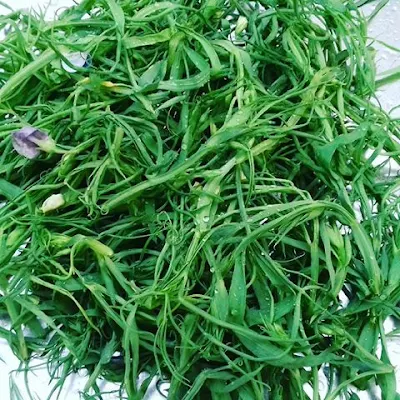
A celebrated regional saying summarizes Mithilanchal's culinary soul in three words: “Paan, Makhan, aur Maach” (betel leaf, fox nuts, and freshwater fish). Beyond those famous icons lies an everyday obsession that surprises first-time visitors: Mithila's extraordinary varieties of leafy greens, locally called Saag.
In Mithila homes, seasonal saag cooked lightly in mustard oil with garlic and red chillies is comfort food and cultural memory rolled into one:
- Genhaari Saag: A tender, earthy staple green cherished across Darbhanga and Madhubani households.
- Poro Saag: Prized for its succulent texture and cooling nutritional balance during warm months.
- Khesari Saag: A winter classic packed with rustic flavour, traditionally paired with steamed rice and lentil dishes.
- Mithila Makhana Kheer & Roasted Makhan: Served at auspicious Kojagara celebrations and now recognized globally as a GI-tagged health superfood.

Maithili Language (Bhasha) & Constitutional Legacy
Maithili is one of India's sweetest and oldest Indo-Aryan languages, with an unbroken literary history exceeding 1,000 years. Its earliest extant prose work, Varna Ratnakar by Jyotireeshwar Thakur, dates back to the early 14th century.
Recognizing its immense cultural and literary weight, Parliament formally included Maithili in the Eighth Schedule of the Indian Constitution under the 92nd Constitutional Amendment Act, 2003. To experience its poetic richness firsthand, browse our curated collection of Maithili poems.
Explore Every Maithili Poem, Folk Song & Literary Classic in One Hub
From Vidyapati's Nachari and Baba Nagarjun's sharp satire to devotional Bhagwati Geet and modern Maithili verse, access our complete curated index:
Open the Maithili Literature Mega Directory →Great Legends of Mithila: Philosophers, Poets & Scholars
For centuries, Mithila functioned as a powerhouse of Nyaya (logic), Mimamsa (philosophy), and devotional poetry. These iconic figures shaped not only Mithilanchal, rather the intellectual map of India:
Kavi Kokil Vidyapati
Known as the Cuckoo Poet of Mithila, Mahakavi Vidyapati elevated Maithili to divine heights through his Padavali, Purusha Pariksha, and Kirtilata. Folklore celebrates that Lord Shiva himself served Vidyapati in disguise as his attendant Ugna just to hear his devotional Nachari songs. Dive deeper into his works in our complete biography of Mahakavi Vidyapati.
Mandan Mishra & Vidushi Ubhaya Bharati
A giant of the Mimamsa school, Mandan Mishra engaged in one of Indian philosophy's most famous debates with Adi Shankaracharya—moderated by Mandan's brilliant wife, Ubhaya Bharati. After Shankaracharya prevailed over Mandan, Ubhaya Bharati declared the victory incomplete until he debated her as Mandan's better half, challenging him on worldly wisdom (Kama Shastra) and demonstrating Mithila's timeless respect for female scholarship.
Mahakavi Kalidasa & Uchaitha Bhagwati
Regional tradition deeply links India's greatest Sanskrit playwright, Kalidasa, to the revered Uchaitha Bhagwati temple near Madhubani, where he is believed to have received Vidya Dan (the blessing of supreme wisdom) from Goddess Kali after facing humiliation from his scholarly wife, Vidyotma.
Baba Nagarjun (Vaidyanath Mishra "Yatri")
Revered as Janakavi (the People's Poet), Baba Nagarjun wrote fearless, progressive poetry in Hindi and Maithili (under the pen name Yatri), winning the Sahitya Akademi Award in 1968 for Patrahin Nagna Gachh. Read our full life history and poetry guide to Baba Nagarjun.
Ayachi Mishra & Sir Ganga Nath Jha
Ayachi Mishra, an austere master of Nyaya Shastra who famously never asked anyone for alms ("Ayachi"), raised his prodigy son Shankar Mishra in the same tradition of selfless learning. Centuries later, Mahamahopadhyaya Dr. Sir Ganga Nath Jha (Vice-Chancellor of Allahabad University) alongside his sons Dr. Amarnath Jha (Padma Bhushan, 1954) and Dr. Aditya Nath Jha (ICS) carried Mithila's academic excellence onto the national stage.
Political Maestros of Mithilanchal
Mithila's leaders played decisive roles in shaping modern Bihar and post-independence Indian governance:
- Pandit Binodanand Jha: Freedom fighter, member of India's Constituent Assembly, and Chief Minister of Bihar (1961–1963).
- Dr. Jagannath Mishra: Three-time Chief Minister of Bihar and Union Minister, widely remembered for inclusive public policies, including elevating Urdu as Bihar's second official language.
Students preparing for UPSC or BPSC can also review this analytical brief on Mithila's historical and political significance.
Music, Shakti Folk Songs & Madhubani Painting
The Immortal Voices of Mithila
Mithila's musical soul lives in its Sohar (birth songs), Samdaun (farewell songs), Chhath geet, and Shakti devotion—such as the soul-stirring traditional Indra Gahi Gahi Chakra Gahi Gahi Maithili Bhagwati Geet. Three towering voices carried this heritage worldwide:
- Dr. Sharda Sinha (1952–2024): Revered forever as Bihar Swar Kokila, her iconic Maithili and Bhojpuri Chhath songs defined an era. Honoured with the Padma Shri (1991), Padma Bhushan (2018), and posthumously with the Padma Vibhushan (2025), her voice remains inseparable from Mithila's festivals.
- Udit Narayan Jha: One of Indian cinema's most celebrated playback singers, bringing global pride to Mithilanchal.
- Maithili Thakur: The contemporary folk sensation introducing traditional Maithili songs and Vidyapati compositions to millions of young listeners online.
Madhubani Painting (Mithila Art)
Awarded its Geographical Indication (GI) tag in 2007, Madhubani Painting originated as ritual wall murals (Bhitti Chitra) painted by Mithila women for weddings (Kohbar) and festivals. Using natural pigments, double outlines, and zero empty space across five distinct styles—Bharni, Kachni, Tantrik, Godna, and Kohbar—Mithila art now graces international museums and collectors' homes.
Looking for Authentic Hand-Painted Madhubani Art? If you wish to order genuine handcrafted Mithila paintings directly from local artisans, DM Sahityashala on Instagram or contact +91 9044828090.
Watch: Dr. Kumar Vishwas on the Greatness of Mithila
In this compelling talk, Dr. Kumar Vishwas explains why Mithila stands equal to Ayodhya in the spiritual geography of the Ramayana, celebrating King Janak's dignity of labour and Maa Sita's enduring grace:
Why Mithila's Story Matters Today
Mithila is far more than lines on a map between Bihar and Nepal. It is a living civilization of philosophical debate, artistic resilience, literary sweetness, and warm hospitality.
As we celebrate this heritage, we must also reflect on how the future generations of Mithila will carry this flame forward. Before you go, read our heartfelt poetic tribute: Mithile (A Tribute to Mithilanchal).
Frequently Asked Questions About Mithila (FAQs)
Mithila kahan hai (Where is Mithila located)?
Mithila is located in northern Bihar (India) and extends into the eastern Terai region of Nepal. Major cultural centers include Darbhanga, Madhubani, Sitamarhi, Saharsa, Samastipur, and Janakpur (Nepal).
What is the main language of Mithila and when did it get constitutional status?
The primary language of Mithila is Maithili, an Indo-Aryan language with over 1,000 years of literature. It was added to the Eighth Schedule of the Indian Constitution through the 92nd Constitutional Amendment Act, 2003.
Why is Mithila famous in Hindu mythology and the Ramayana?
Mithila is celebrated as the ancient kingdom of King Janak (Videha) and the birthplace of Goddess Sita (Janaki), making it one of the most sacred pilgrimage regions in the Ramayana.
Which GI-tagged products come from the Mithila region?
Famous Geographical Indication (GI) tagged products from Mithila include Madhubani Painting (2007), Sikki Grass Craft (2007), and Mithila Makhana (August 2022).
What does "Paan, Makhan, aur Maach" mean in Mithila culture?
"Paan, Makhan, aur Maach" (betel leaf, fox nuts, and fish) represents the three signature culinary and hospitality pillars of Mithila, reflecting the region's fertile riverine ponds and festive traditions.
Comments
Post a Comment